
Simply Seated
A guide to seating your guests
By Rebecca Padgett Frett
A room full of all your nearest and dearest is one of the best aspects of a wedding. Where those closest to you should be seated in that room is often one of the most challenging parts of the planning process.
Fortunately, wedding planners are adept in dealing with all sorts of seating situations and can ensure that all attendees are seated comfortably and stylishly.
The Who & the Where
Traditionally, at the ceremony, the mothers of the couple are seated in the aisle seats of the front row followed by fathers, siblings, grandparents, and other specified close family members. Depending on how large the family is, this could encompass one row or several. These seats can be marked as reserved for family, and often ushers are utilized to escort family members to their seats.
If you have a bridal party but opt not to have them stand at the altar with you, they should be seated in the rows right behind the family.
From there, seating at the ceremony is open to the attendees’ preference. Some couples opt to designate a bride and groom’s side, while others view the practice as outdated.
“Ceremony seating is typically pretty straightforward, but for more intimate ceremonies,” says Kelly Rhodes, owner of Southern Frills Weddings & Events in Pensacola, “I like to place the couple in the middle and arch or encompass chairs around them.”
Reception seating requires more planning.
“Many couples assume that assigned seating isn’t necessary because their friends and family will be more comfortable choosing their own seats,” says Dania Irvin owner of Dulce Events Planning & Design in Tallahassee. “In reality, we often find the opposite to be true. Guests appreciate the comfort and certainty of knowing exactly where they belong, especially when they may not know everyone in attendance. A thoughtfully planned seating chart removes the stress of finding a place to sit.”
You know your guests best. Whether you’re doing the seating chart on your own or enlisting the help of a planner, you’ll need to consider who would make good seat mates, who wouldn’t, and where they should be in the room.
Rhodes collects all of the RSVPs in a spreadsheet. From there, she considers the table options and how many guests can fit at each table, which could vary based on the shape or size. Then, she consults a floor plan of the venue.
Having access to the floor plan provides insight into where the entrances and exits are, along with the dance floor, stage, restrooms, and any other important elements. Knowing this allows you to properly place the sweetheart or head table in a place of distinction and build out the rest of the seating chart to revolve around this.
“Parents and immediate family are typically given VIP seating with a clear view of the couple, special dances, and toasts,” says Irvin. “From there, we focus on creating tables where guests will feel comfortable and connected. Friends, coworkers, and extended family members are often seated with people they already know, helping conversations flow naturally.”
Outside of the bridal party and family tables, couples tend toward natural groupings such as seating coworkers, friends from college, extended family, etc., together. You could also opt to combine some groups that would get along, like a few coworkers alongside some high school friends with similar interests. While you’ve likely heard of a “singles table,” this is usually an isolating, if not awkward, thing to do. Instead, mix in a few single friends with a few couples.
Other seating considerations include elderly guests or those with limited mobility. It is often best to place these guests near exits and restrooms and away from loudspeakers.
The table style depends on what your preference is. You may want everything to be uniform with the same number of people at each table or to vary the groupings.
Rhodes likes to include a mixture of rectangles, rounds, squares, banquet seating, and serpentines to add both variety and fun visual elements.
“I enjoy incorporating unique touches like couches or residential furniture, especially for outdoor ceremonies,” says John Gandy of John Gandy Events, servicing Tallahassee and beyond. “Using small furniture groupings can make the space more interesting.”
The How
How you tell your guests their seating placements is the fun part, as you can get creative. When it comes to conveying the message, the options typically include a seating chart, escort cards, or place cards.
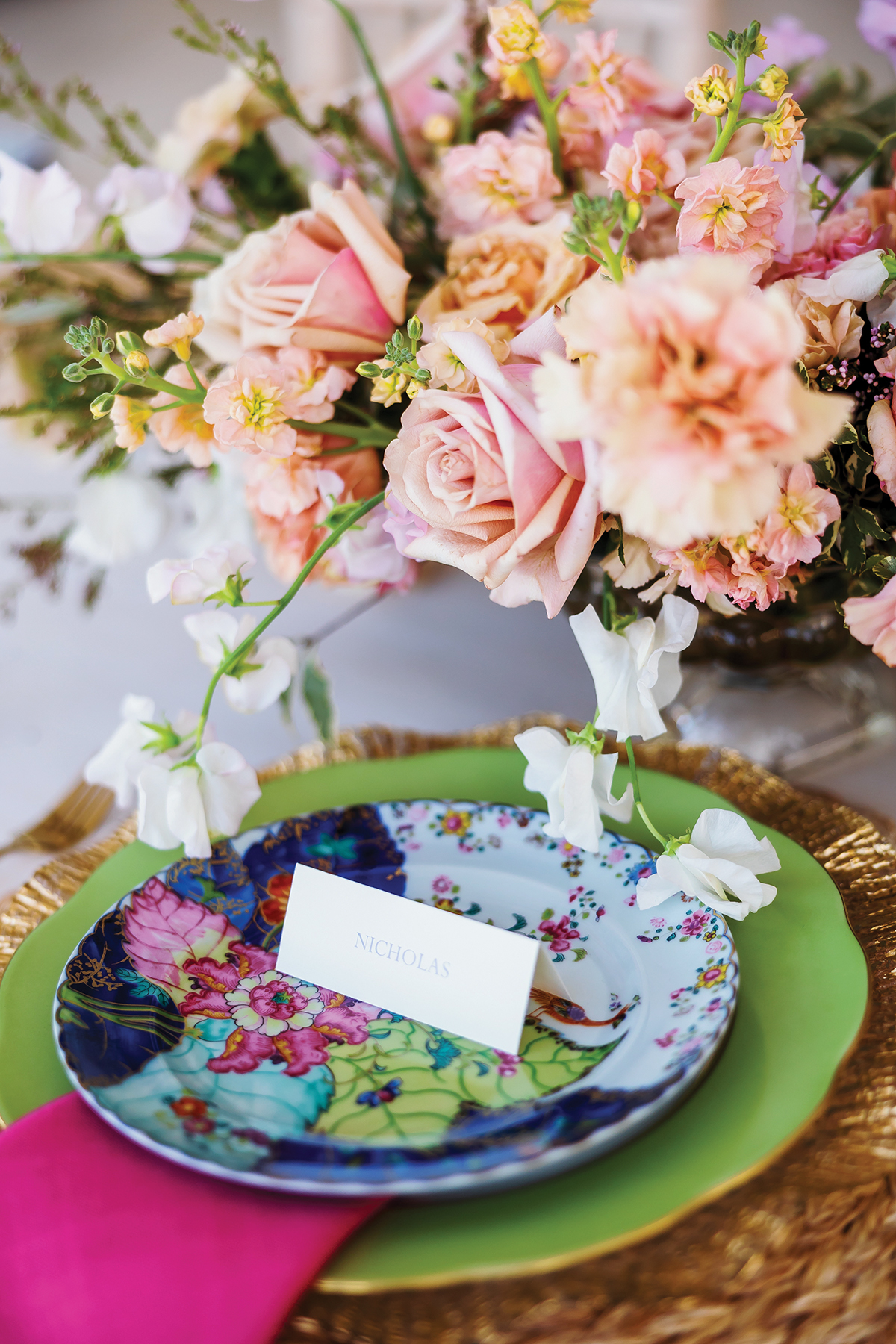
A seating chart is signage placed near the entrance, listing table numbers and who is sitting at them. Escort cards are individual cards or items placed near the entrance that direct guests to their tables. Place cards are on the table in front of each chair to indicate where each guest should sit. This can be especially important for plated dinners.
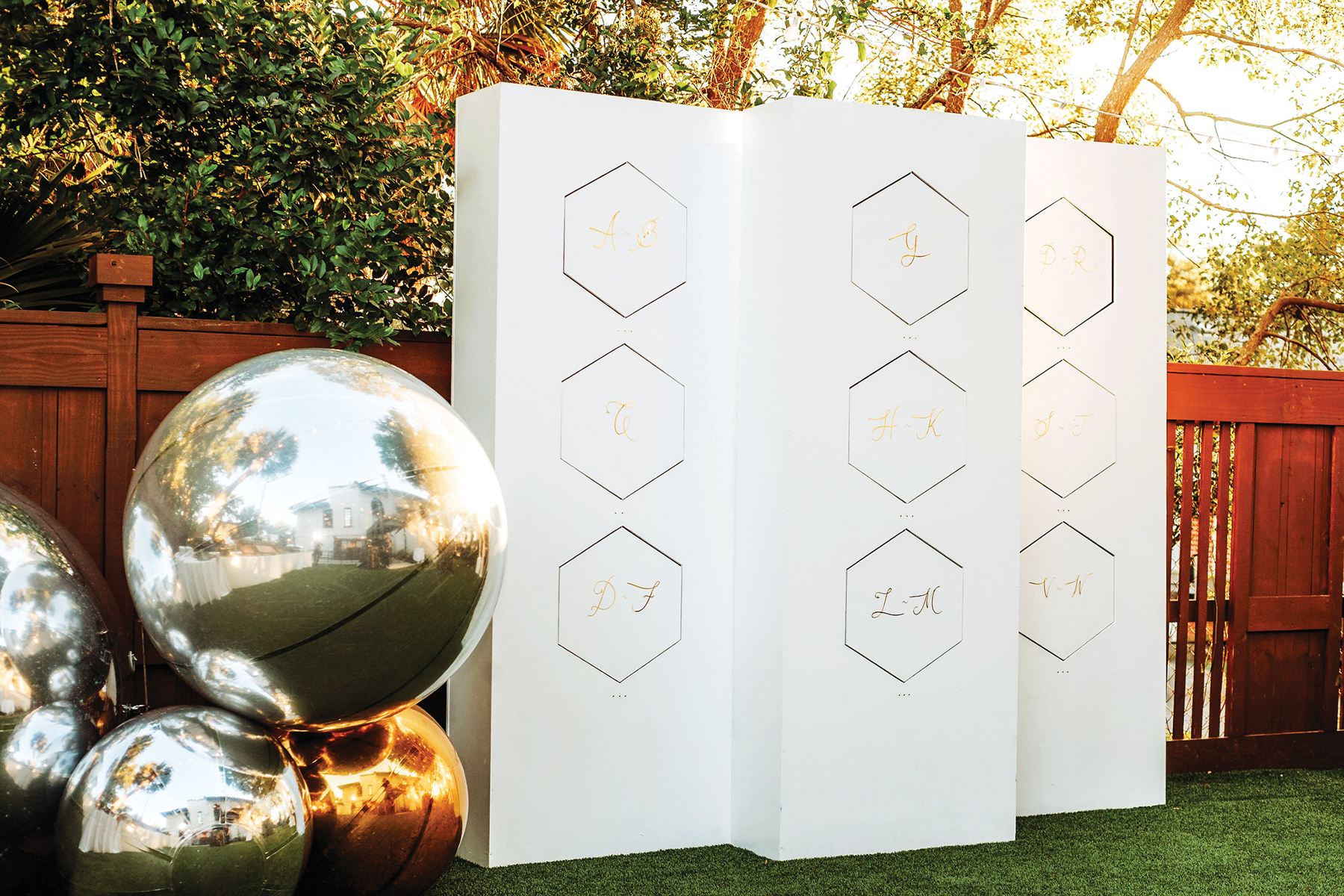
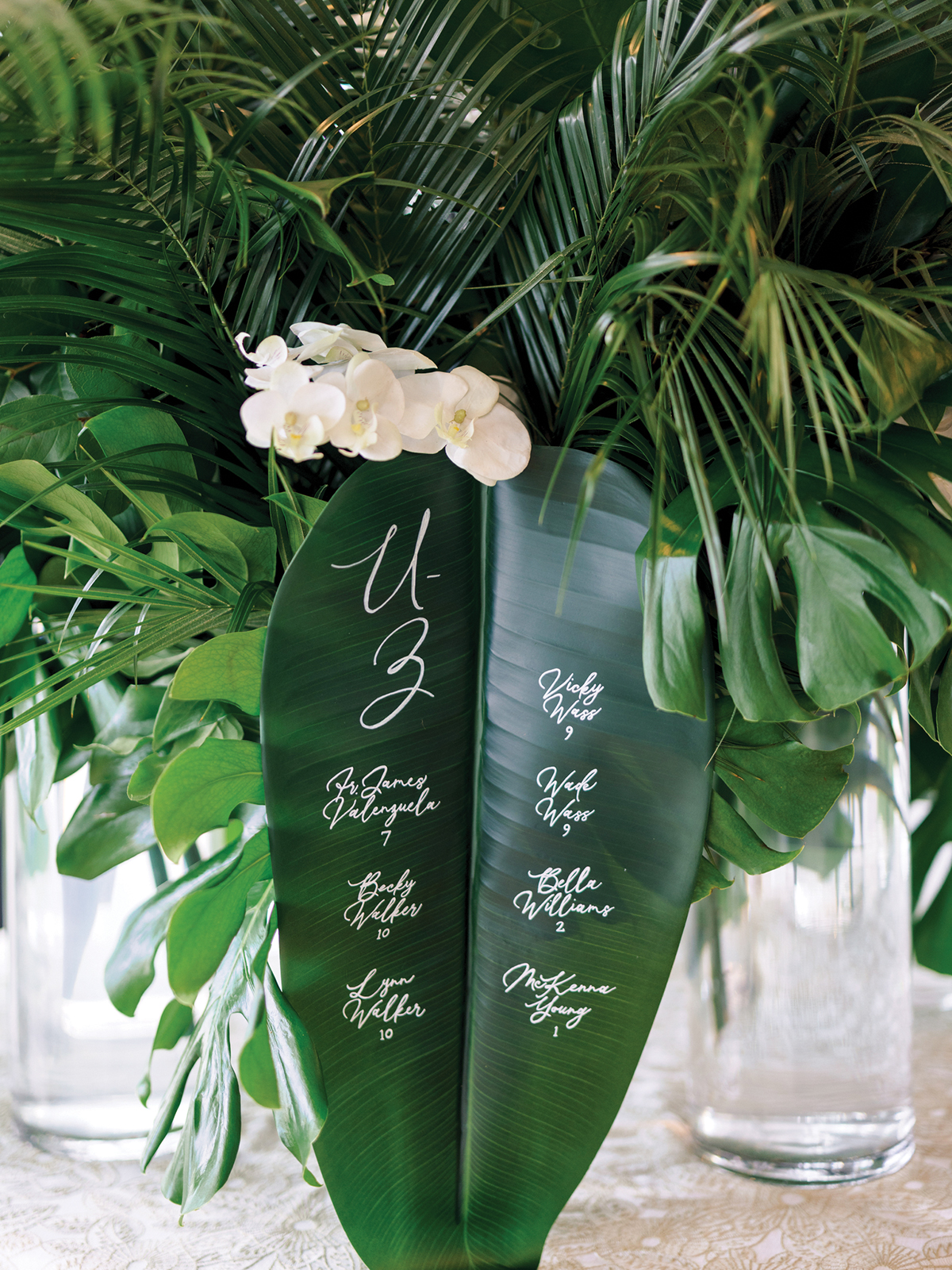
Seating charts could be printed, painted, illustrated, or laser-cut on a variety of materials or fabrics. Seating charts have appeared on floral walls, maps, wooden pallets, hanging from arches, surfboards, paint swatches, decorative pots, and more.
“I love incorporating beautiful wallpaper, vibrant plants, or even trees as structural elements to display guest information,” says Gandy.
Escort cards often double as a gift or treat for the guest. Think the guest’s name and table number attached to or etched on a luggage tag, candle, custom olive oil bottle, a miniature bouquet, a sweet treat, calligraphed coaster, or framed picture of the couple and guest.
Sip and seats have become especially popular, including ideas like a flute of champagne, custom cocktails, liquor shooters, coffee, or mocktails.
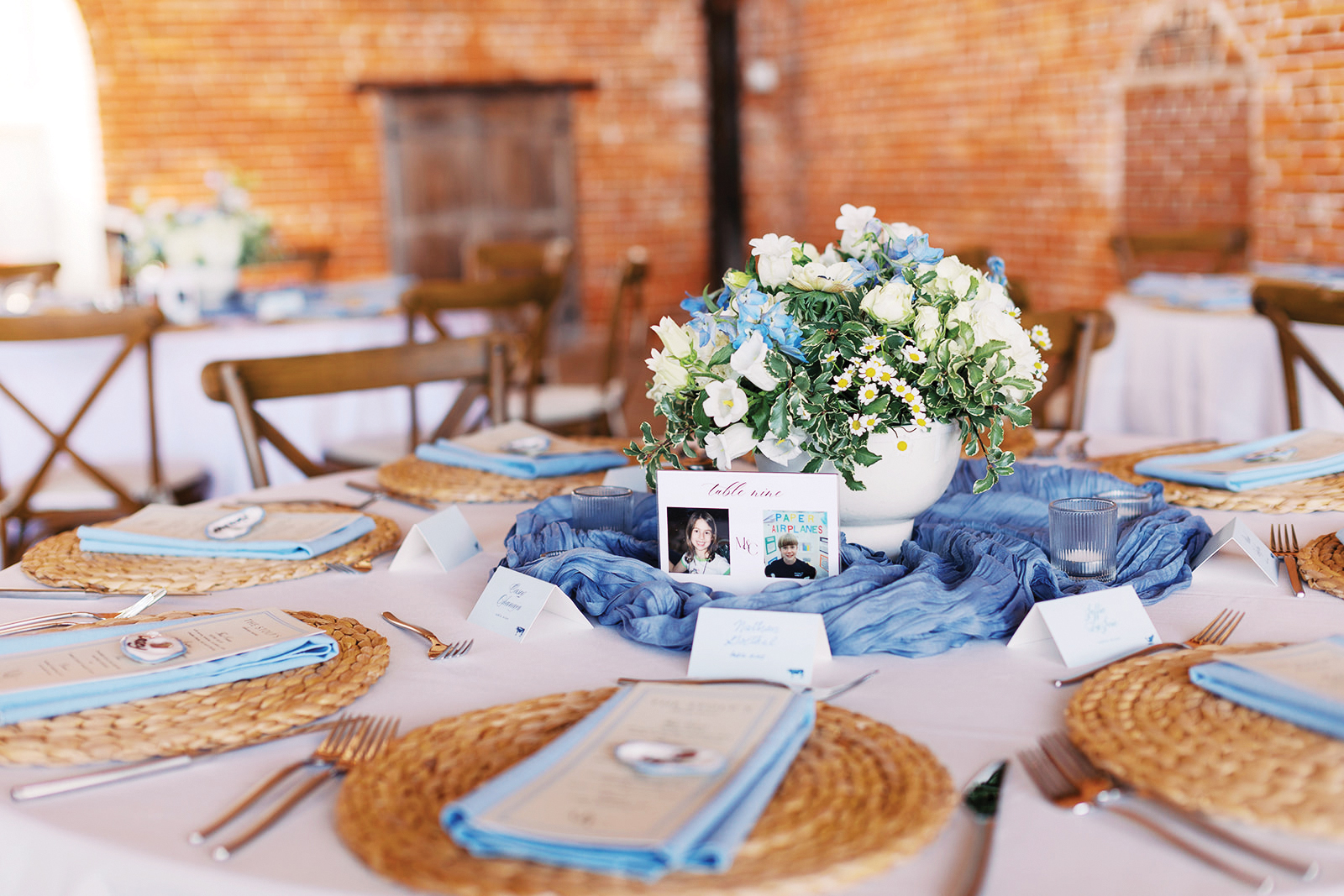
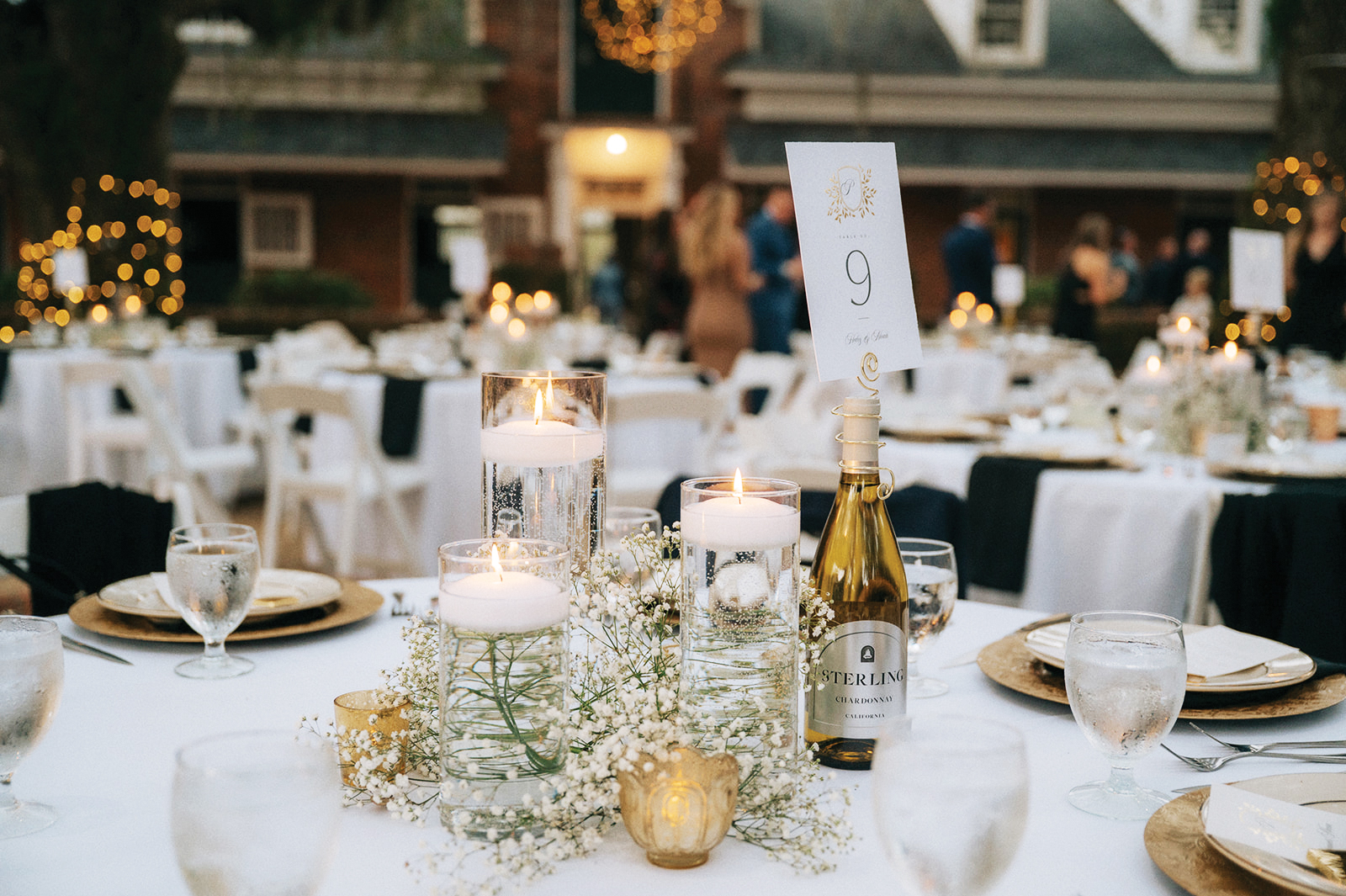
Place cards or table numbers could be put on records, books, snow globes, crystal balls, flower arrangements, wine bottles, and more.
“We’ve seen table numbers on bottles of their favorite wines, tables named after their favorite songs, destinations, cookie escort cards, and even tables numbered with a photo of the couple at that age,” says Irvin. “These are wonderful conversation starters and give guests another glimpse into the couple’s love story.” ▪
Feature image by Kista Haas Photography
Related Posts
Be Our Guest
The art of greeting your guests By Rebecca Padgett Frett A creatively curated welcome bag,…
Aesthetically Pleased
A guide to selecting your wedding style By Rebecca Padgett Frett Your wedding aesthetic is…
Choose Your Hues
A guide to creating color palettes for your wedding florals and decor Many couples are…